
Šumarski fakultet Univerziteta u Banjoj Luci, kao jedan od partnera na međunarodnom projektu „Strategije očuvanja populacija poljskog jasena (Fraxinus angustifolia) u Dunavskom basenu – SCAN-DANUBE“, koji se realizuje u okviru programa Interreg Danube Region, uz kofinansiranje Evropske unije, ušao je u treći šestomjesečni period uspješne realizacije projektnih aktivnosti.
Tokom prethodnog perioda tim Šumarskog fakulteta realizovao je niz terenskih, laboratorijskih i istraživačkih aktivnosti usmjerenih na bolje poznavanje stanja populacija poljskog jasena u Bosni i Hercegovini, identifikovanje najvažnijih faktora njihovog ugrožavanja i stvaranje naučne i stručne osnove za dugoročno očuvanje ove značajne šumske vrste.
Praćenje rasta stabala pomoću dendrometara
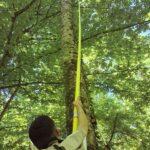
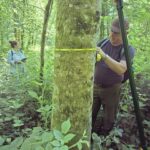
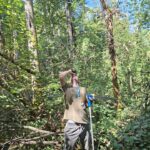
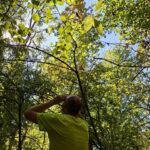
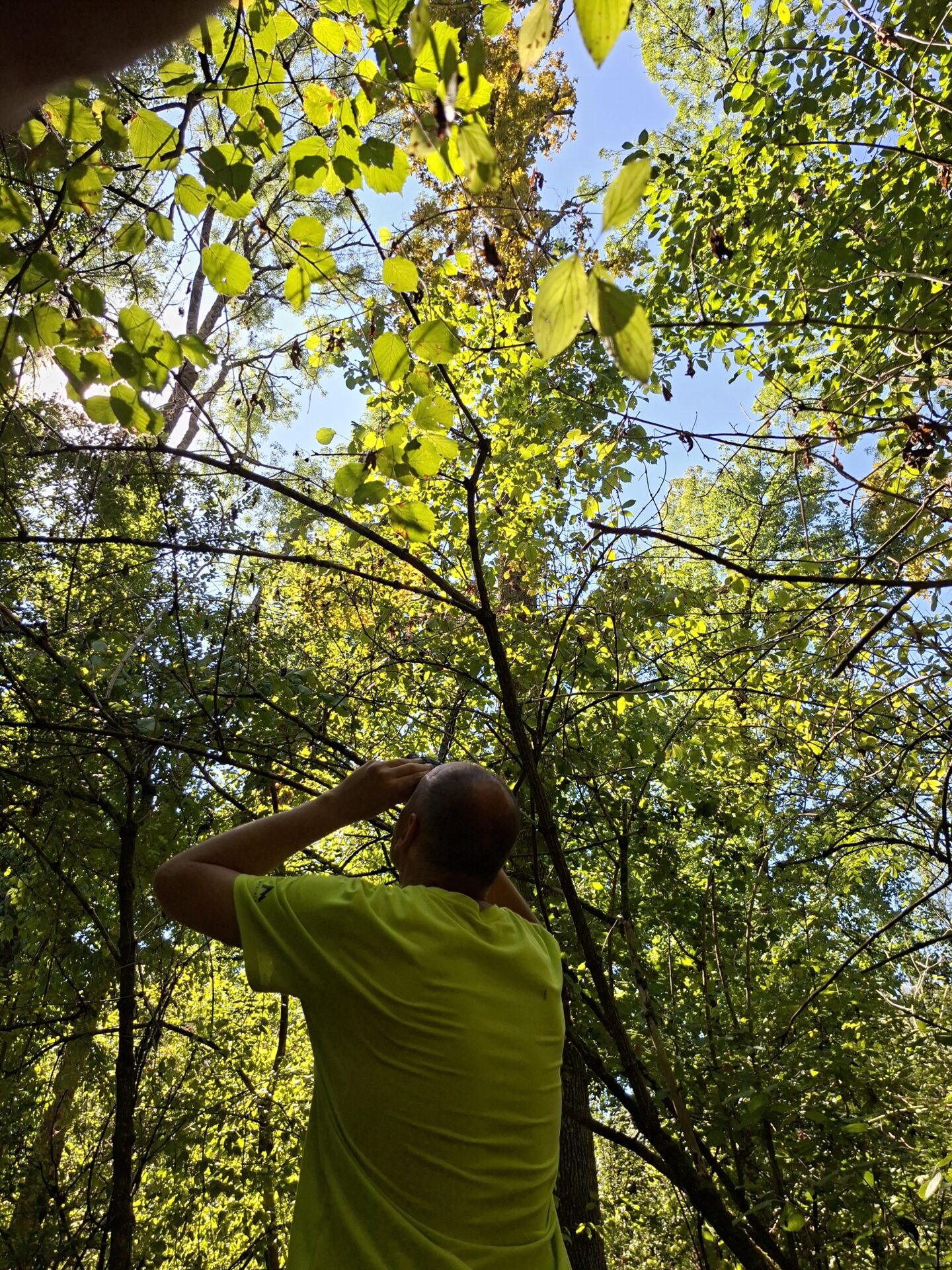
Na dvije ogledne površine poljskog jasena u Bosni i Hercegovini nastavljeno je kontinuirano prikupljanje podataka pomoću dendrometara postavljenih na odabrana stabla. Ovi uređaji omogućavaju precizno praćenje promjena u rastu stabala i njihovog odgovora na promjene uslova sredine.
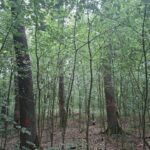
Na oglednim plohama površine 30 × 30 metara izvršeno je i detaljno snimanje stanja svih stabala, čime su obezbijeđeni podaci potrebni za praćenje njihovog razvoja i zdravstvenog stanja tokom trajanja projekta.
Prvi put u BiH postavljeni „hvatači spora“
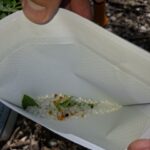
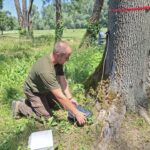
Posebno značajnu aktivnost predstavljalo je postavljanje uređaja za prikupljanje spora gljiva iz vazduha – tzv. „hvatača spora“. Ovakvi uređaji su, u okviru istraživanja poljskog jasena, prvi put postavljeni u Bosni i Hercegovini.
Tokom jula i avgusta uređaji su kontinuirano korišteni za prikupljanje uzoraka, dok su filteri za sakupljanje spora mijenjani jednom sedmično. Prikupljeno je ukupno 28 filtera sa uzorcima spora sa četiri mjesta uzorkovanja. Prikupljeni materijal biće analiziran zajedno sa uzorcima ostalih partnera na projektu na Mendelovom univerzitetu u Brnu, Češka Republika, što će omogućiti upoređivanje prisustva i dinamike gljivičnih patogena u različitim dijelovima Dunavskog regiona.
Dendrohronološke analize i praćenje zdravstvenog stanja
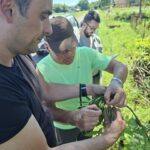
U okviru projektnih aktivnosti prikupljeni su i obrađeni uzorci za dendrohronološke analize, koje će omogućiti detaljniji uvid u istoriju rasta stabala i njihov odgovor na promjene uslova životne sredine. Istovremeno su na pet lokaliteta prikupljeni podaci o biotičkim i abiotičkim oštećenjima. Podaci su dostavljeni članovima međunarodnog konzorcijuma i koristiće se za zajedničke analize zdravstvenog stanja, oštećenja i otpornosti poljskog jasena na nivou Dunavskog regiona.
Genetičke i citometrijske analize
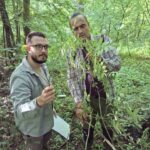
Posebna pažnja posvećena je istraživanju genetičkih karakteristika populacija jasena. Prikupljeni su uzorci sa po 20 stabala poljskog jasena (Fraxinus angustifolia) i bijelog jasena (Fraxinus excelsior), kao i sa stabala koja pokazuju potencijalna hibridna svojstva.
Prikupljeni uzorci su obrađeni i pripremljeni za dvije grupe naprednih analiza.
Za potrebe genetičkih analiza izvršena je priprema materijala i izolacija DNK, nakon čega se materijal upućuje partnerskoj instituciji – Institutu za nizijsko šumarstvo i životnu sredinu Univerziteta u Novom Sadu. Dalje analize obuhvatiće primjenu savremenih metoda sekvenciranja nove generacije (Next Generation Sequencing – NGS) na partnerskoj instituciji u Italiji.
Dio biljnog materijala pripremljen je i za citometrijske analize, koje će biti sprovedene u saradnji sa Univerzitetom Palacký u Olomoucu, Češka Republika. Dobijeni rezultati trebalo bi da doprinesu pouzdanijem razlikovanju vrsta i identifikovanju potencijalnih hibridnih jedinki.
Šumarski fakultet UNIBL predvodi pripremu praktičnog priručnika
Jedna od značajnih aktivnosti projekta, koju predvodi tim Šumarskog fakulteta Univerziteta u Banjoj Luci, jeste priprema međunarodnog priručnika: „Strategies & Conditions for NA Preservation & Seed Site Optimization for Forest Managers“.
Priručnik se priprema u saradnji svih partnerskih institucija i trenutno se nalazi u završnoj fazi izrade. Planirani obim je oko 50 stranica, a sadržaj je prvenstveno namijenjen stručnjacima i praktičarima koji upravljaju šumama poljskog jasena.
Priručnik će objediniti savremena naučna saznanja i praktične preporuke koje se odnose na očuvanje populacija poljskog jasena, izbor i upravljanje sjemenskim objektima, proizvodnju i korištenje šumskog reproduktivnog materijala, kao i mjere kojima se može unaprijediti otpornost i dugoročno očuvanje ove vrste.
Zajedničkim istraživanjima do očuvanja poljskog jasena
Realizovane aktivnosti predstavljaju dio zajedničkog rada međunarodnog konzorcijuma SCAN-DANUBE na stvaranju sveobuhvatne slike o stanju poljskog jasena u Dunavskom basenu.
Učešćem u projektu Šumarski fakultet Univerziteta u Banjoj Luci doprinosi međunarodnim istraživanjima i razmjeni znanja, ali istovremeno razvija nove istraživačke kapacitete i metode praćenja šumskih ekosistema u Bosni i Hercegovini.
Rezultati projekta trebalo bi da pruže naučnu i praktičnu osnovu za dugoročno očuvanje genetičkih resursa, unapređenje zdravstvenog stanja i održivo upravljanje populacijama poljskog jasena u Bosni i Hercegovini i širem Dunavskom regionu.
Implementation of the International SCAN-DANUBE Project at the Faculty of Forestry, University of Banja Luka
The Faculty of Forestry, University of Banja Luka, as one of the partners in the international project “Strategies for Conservation of Narrow-leaved Ash (Fraxinus angustifolia) Populations in the Danube Basin – SCAN-DANUBE”, implemented within the Interreg Danube Region Programme and co-funded by the European Union, has entered the third six-month period of successful project implementation.
During the previous period, the Faculty of Forestry team carried out a range of field, laboratory, and research activities aimed at improving knowledge of the status of narrow-leaved ash populations in Bosnia and Herzegovina, identifying the main factors threatening them, and establishing a scientific and practical basis for the long-term conservation of this important forest tree species.
Monitoring Tree Growth Using Dendrometers
Continuous data collection has been carried out at two narrow-leaved ash experimental plots in Bosnia and Herzegovina using dendrometers installed on selected trees. These devices enable precise monitoring of changes in tree growth and their responses to changing environmental conditions.
A detailed assessment of all trees within the 30 × 30 m experimental plots was also conducted, providing valuable data for monitoring their development and health status throughout the project.
Spore Traps Installed in Bosnia and Herzegovina for the First Time
A particularly significant activity was the installation of devices for collecting airborne fungal spores – spore traps. Within the framework of narrow-leaved ash research, such devices were installed in Bosnia and Herzegovina for the first time.
During July and August, the devices were continuously used for sample collection, while the filters used to capture spores were replaced once a week. A total of 28 filters containing spore samples from four sampling locations were collected.
The collected material will be analysed together with samples obtained by the other project partners at Mendel University in Brno, Czech Republic. This will enable comparison of the presence and dynamics of fungal pathogens across different parts of the Danube Region.
Dendrochronological Analyses and Monitoring of Tree Health
As part of the project activities, samples for dendrochronological analyses were collected and processed. These analyses will provide a more detailed insight into the growth history of the sampled trees and their responses to changes in environmental conditions.
At the same time, data on biotic and abiotic damage were collected at five locations. The data were shared with the members of the international consortium and will be used for joint analyses of the health status, damage, and resilience of narrow-leaved ash across the Danube Region.
Genetic and Cytometric Analyses
Particular attention has been devoted to investigating the genetic characteristics of ash populations. Samples were collected from 20 narrow-leaved ash (Fraxinus angustifolia) trees and 20 European ash (Fraxinus excelsior) trees, as well as from trees displaying potential hybrid characteristics.
The collected samples were processed and prepared for two groups of advanced analyses.
For genetic analyses, the plant material was prepared and DNA was isolated, after which the material was sent to the partner institution – the Institute of Lowland Forestry and Environment, University of Novi Sad. Further analyses will include the application of advanced Next Generation Sequencing (NGS) methods at a partner institution in Italy.
Part of the plant material was also prepared for cytometric analyses, which will be conducted in cooperation with Palacký University Olomouc, Czech Republic. The results are expected to contribute to more reliable species identification and the detection of potential hybrid individuals.
University of Banja Luka Faculty of Forestry Leads the Preparation of a Practical Manual
One of the major project activities led by the Faculty of Forestry, University of Banja Luka is the preparation of the international manual entitled:“Strategies & Conditions for NA Preservation & Seed Site Optimization for Forest Managers”
The manual is being developed in cooperation with all project partner institutions and is currently in the final stage of preparation. It is expected to comprise approximately 50 pages and is primarily intended for forestry professionals and practitioners involved in the management of narrow-leaved ash forests.
The manual will bring together current scientific knowledge and practical recommendations related to the conservation of narrow-leaved ash populations, the selection and management of seed sources, the production and use of forest reproductive material, and measures aimed at improving the resilience and long-term conservation of this species.
Joint Research for the Conservation of Narrow-leaved Ash
The activities implemented so far form part of the joint efforts of the international SCAN-DANUBE consortium to develop a comprehensive understanding of the status of narrow-leaved ash throughout the Danube Basin.
Through its participation in the project, the Faculty of Forestry, University of Banja Luka contributes to international research and knowledge exchange while simultaneously strengthening research capacities and introducing new methods for monitoring forest ecosystems in Bosnia and Herzegovina.
The project results are expected to provide a sound scientific and practical basis for the long-term conservation of genetic resources, improvement of forest health, and sustainable management of narrow-leaved ash populations in Bosnia and Herzegovina and across the wider Danube Region.